
Commissioned vs ready-made art: choosing a personal piece
An Elysian Vibes guide with Isha Kamal’s portfolio as context for comparing a ready-made artwork with a personal commission.
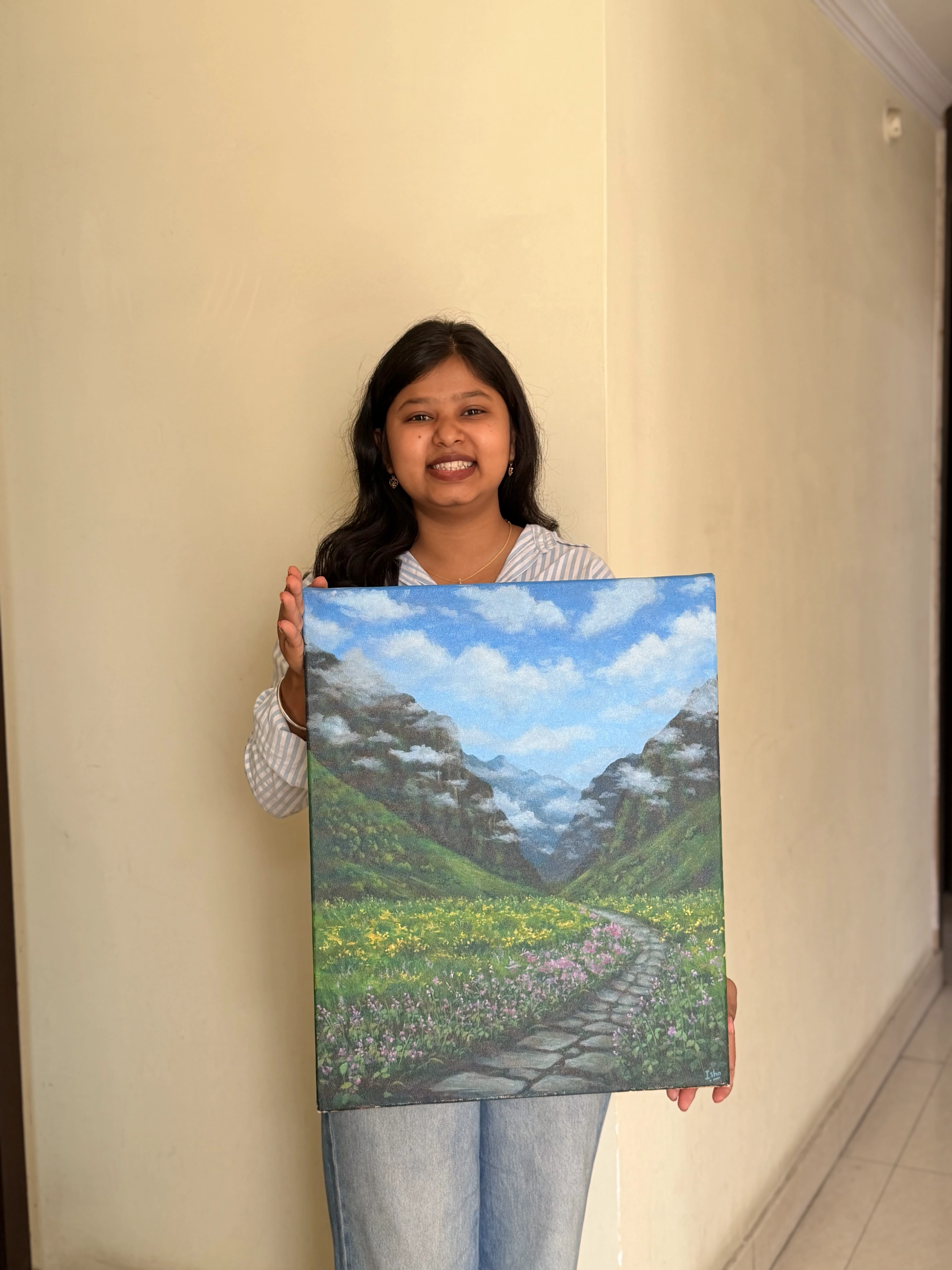
At a glance
| Consideration | Ready-made artwork | Commissioned artwork |
|---|---|---|
| What can you see now? | The finished piece | A proposal that develops through discussion |
| Which choices are open? | Mostly placement and presentation | Potentially subject, scale, palette and format |
| What timing applies? | Ask about current fulfilment | Agree a realistic creation and delivery schedule |
Decide whether you value certainty or collaboration
Ready-made art gives you a finished object to assess. You can consider its exact composition, dimensions, colours and relationship to your room before enquiring. A commission begins with possibilities: an artist interprets a brief within the realities of their materials and practice. Elysian Vibes shows existing work by Isha Kamal so you can understand her visual language.
The Crafts Council describes commissioning at its best as a collaboration shaped by opportunities and constraints. That does not mean the buyer directs every brushstroke. It means both sides clarify the desired outcome and the maker explains what is feasible. Choose ready-made work if falling for the precise piece already in front of you is the main pleasure. Consider a commission if the conversation and personal starting point are essential to the result.
Source: Crafts Council commissioning guideExplore ready-made original artwork
Prepare a useful brief without designing the painting
A helpful first message names the subject, preferred dimensions or display space, approximate budget, occasion and desired date. Include reference images you have permission to share, then explain what matters in them: perhaps a place, a relationship, a mood or a palette. Mention practical constraints such as orientation and framing. This gives the artist material to interpret without asking for a direct copy of someone else’s artwork.
Study the artist’s existing portfolio first and identify what draws you to it. The Crafts Council recommends researching whether a maker’s previous work supports the scale and approach you have in mind, being transparent about budget, and developing clear parameters together. When contacting Elysian Vibes about work by Isha Kamal, treat the enquiry as a starting point. Availability, feasibility, price and schedule need direct confirmation rather than assumptions based on this general guide.
Send a collaboration enquiryRead about originals and art prints
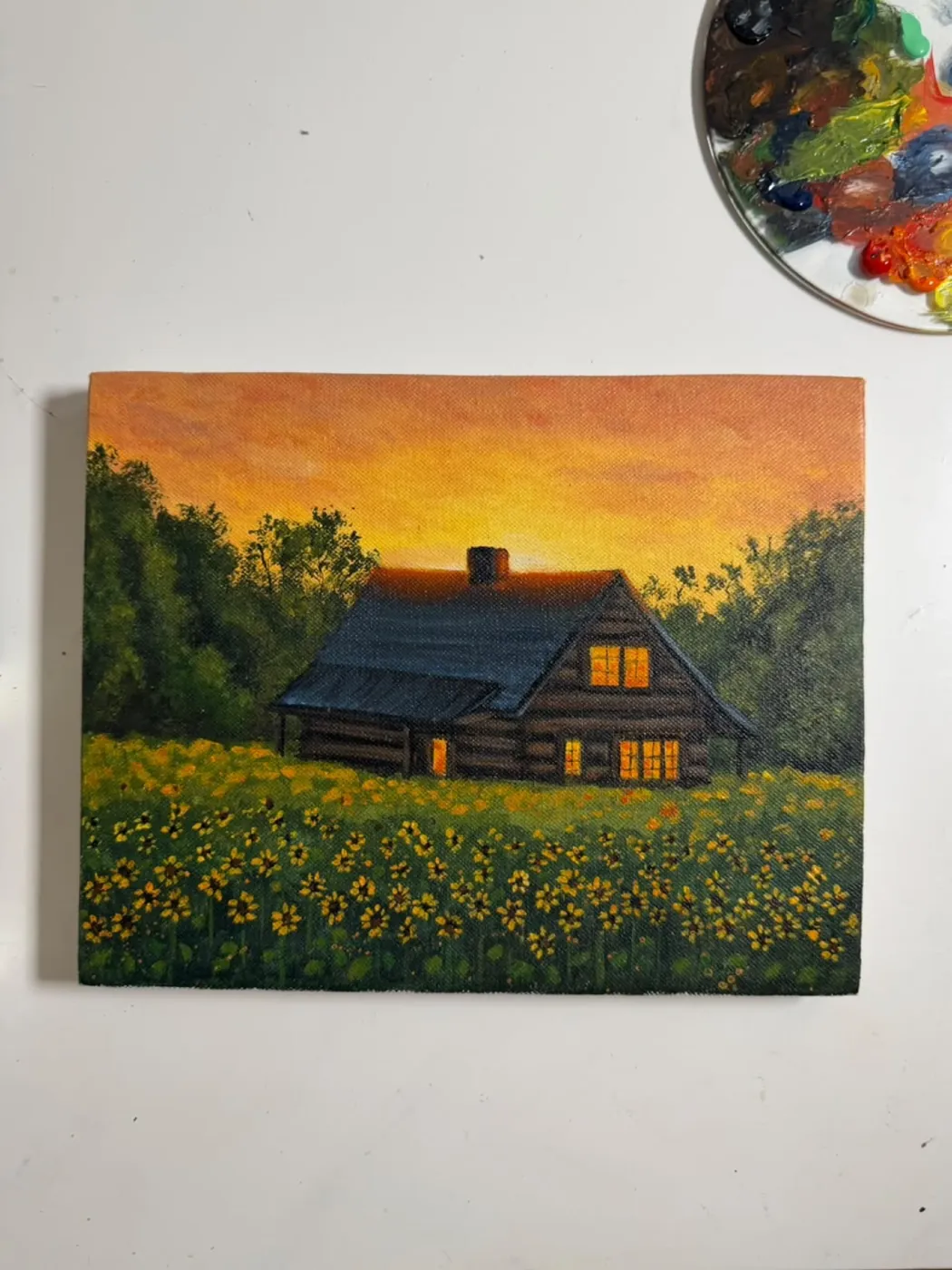
Confirm the process before agreeing
Before paying, ask what the price covers, when payment is due, what milestones or updates are planned, and how changes are handled. Confirm the medium, surface, approximate dimensions, framing, delivery method and realistic schedule. Discuss what happens if materials, health or shipping affect timing. The Crafts Council notes that practical surprises occur and recommends agreeing lead time and update expectations. Exact answers belong in the artist’s own proposal or terms.
Keep the final agreement in writing and make sure both sides recognise the same brief. Leave space for artistic interpretation while identifying any true non-negotiables early. Save copies of agreed reference images and decisions, so later conversations have a clear shared starting point. If the collaborative process feels unnecessary, return to the Elysian Vibes shop and consider a completed original by Isha Kamal instead. If a personal story, place or occasion is central, use the enquiry form with a concise brief and wait for confirmation of what is possible before making plans around the piece.
References and next steps
For new paintings and studio updates, follow Elysian Vibes on Instagram .